Blog / Star Lincoln Service

Does Your Lincoln Need a Transmission Repair?

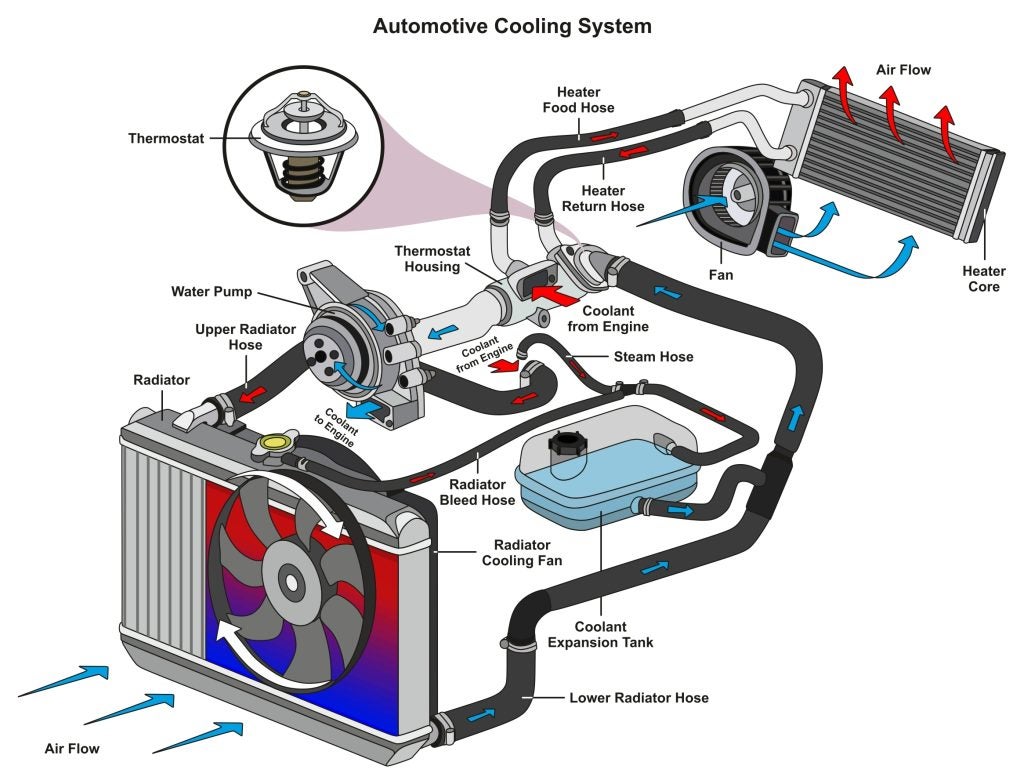
A diagram of a car radiator.

Are you experiencing problems shifting gears or unusual noises from your Lincoln? If so, it could be an indication that the vehicle needs a transmission repair. Star Lincoln is equipped to diagnose and handle all types of repairs for your car's transmission, from identifying potential issues to recommending appropriate parts and components for replacement. Check out these signs that could indicate a transmission issue with your vehicle.

1. Strange Noises When in Neutral

Strange noises coming from your car can indicate many issues, from something as simple as a loose heat shield to something more serious like transmission failure. However, if you're hearing these types of noises when you're driving in neutral, then it's a sure sign that you're dealing with an issue related to the transmission. These strange noises could range from a clicking sound when accelerating to whining and grinding that increase with speed.

2. Trouble Shifting Gear

Whether you're in a manual transmission car or an automatic, there should be a seamless transition from one gear to the next with no unexpected stuttering or lurching. If you find yourself having difficulty changing gears, it could be an indication that your transmission needs to be looked at and possibly repaired. Possible causes might include leaking fluid, broken seals, problems with linkage components, worn out clutches, and more.

3. Leaking Transmission Fluid

Transmission fluid acts as a lubricant and cleaner to ensure all moving parts in the system are working properly. The fluid is usually red and translucent with a slightly sweet odor. If you notice a pool of this liquid in your driveway after you move your car, then it's likely that there's a leak originating in the transmission.

Continuing to drive your vehicle with such a leak will increase the risk of permanent damage to the transmission system. If the transmission fluid is actively leaking, don't risk driving your car to a repair shop. Instead, contact your local dealer immediately for towing services.

4. Burning Smell

When the transmission fluid becomes too hot, it starts to burn, producing that distinct smell. This is usually because the transmission fluid is running low or something is not quite right in the transmission system.

How Long Does It Take To Fix Transmission Issues at a Lincoln Dealer?

Minor fixes or replacements might require only an hour or two in the shop, while more serious problems can take over a day to diagnose and repair. Each transmission issue comes with its own set of challenges, and the length of time it takes to fix varies greatly depending on the problem at hand.

If you suspect that something may be wrong with your car's transmission, contact Star Lincoln today for professional help. Our factory-trained technicians use industry-leading tools and technologies to meet all your vehicle repair needs.
Posted in:

Related Posts

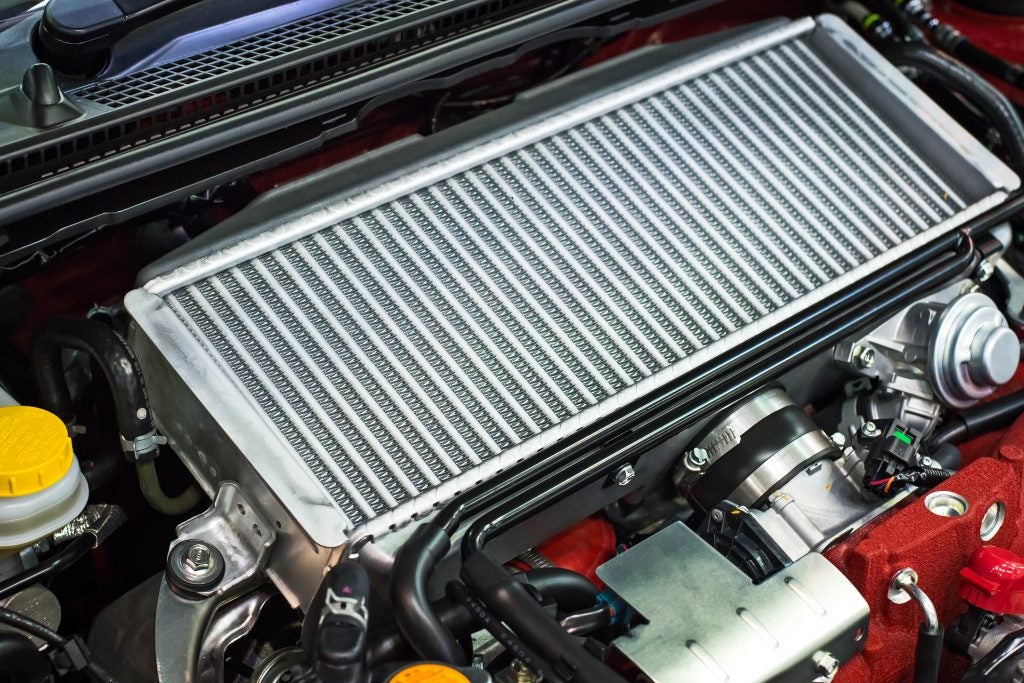
An up-close image of a car radiator.

3 Signs Your Lincoln Needs a Radiator Repair

An overheating engine can cause permanent damage to your engine. Your Lincoln has a radiator and cooling system dedicated to controlling the engine temperature and protecting the engine against heat damage. In time, components can become worn or damaged, and you'll need to visit your Lincoln dealer for a radiator repair. These are a few signs your radiator is in trouble. Leaking Coolant Coolant is the liquid inside your cooling system that absorbs heat and transports it to the radiator for removal. Liquid coolant is pumped through your engine when the engine temperature reaches 180 F. Coolant will continue to circulate and remove heat until the engine temperature falls below 180 F. The cooling system operates under high pressure, which means that even a tiny hole in the system can cause a leak. A leak in the cooling system reduces the system's pressure and decreases the flow of coolant. This makes the remaining coolant less effective in controlling engine temperature, and your engine could overheat. Fortunately, coolant is brightly colored blue, yellow, pink, or green, which makes a leak easier to spot. Call us ASAP, and we'll trace and repair the leak to prevent damage to your engine. more Damaged Radiator Fan As we've seen, coolant carries the engine heat to the radiator. In the radiator, the coolant enters a series of parallel tubes known as fins. Air flows in through the radiator grille and across the tubes, and the air movement removes heat from the coolant. If your engine temperature is too high and airflow through the grille is insufficient, The radiator fan will activate and blow across the tubes to push the heat out of the grille. The radiator fan usually only activates when your car is idling, as there is insufficient air to cool the coolant in the tubes. If your engine temperature climbs when you're idling and then returns to normal when you're driving, you probably have a damaged radiator fan. Our technicians will check your fan and repair or replace it to fix this problem. Loose Clamps Your engine components are secured to prevent damage as you drive. The engine, for example, is securely attached to your car's frame by two engine mounts. These mounts reduce engine movement and prevent damage from vibrations. Despite the best protection, car components can move very slightly in response to movement. Over time, the radiator clamps can loosen slightly. The radiator is connected to the cooling system by two thick rubber hoses. These hoses are attached to the radiator and secured by metal clamps. These clamps can become loose, and this allows coolant to flow out. We'll examine the clamps and securely attach them to block a leak. If your engine is getting too hot, call our service department right away at Star Lincoln.

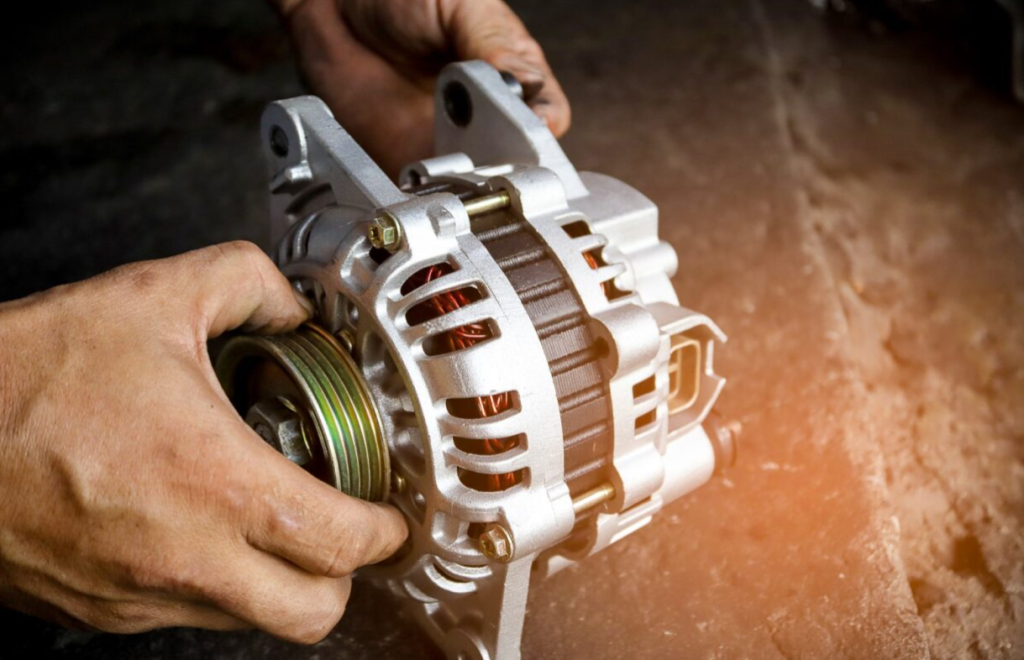
A vehicle alternator being handled by an auto repair technician.

Does Your Lincoln Need an Alternator Repair?

If a variety of electronics in your car are suddenly losing power, you may have a faulty alternator. The alternator transforms the engine's mechanical energy into electrical voltage. Without the alternator, even the battery won't work for long. Here are a few key signs that would indicate you're in need of alternator repair at your local Lincoln dealer. Your Non-Vital Accessories Aren't Working Modern cars usually have an intelligent, prioritized response to failures in the electrical supply. Rather than reducing power to all electrical components at the same time, the car cuts voltage to the non-vital accessories first. This might include your stereo, phone charger, power windows, and heated seating. Car parts that are more important for your road safety, such as headlights, power steering, and the engine's spark plugs, will be the last to lose power. So if you notice nonessential electrical components faltering, switch off as many as you can to conserve voltage and pull over safely before the essential electrical parts also fail. more Your Headlights Dim and Brighten When an alternator starts to struggle, the power it provides may become erratic for a short while before it fails. If you're driving after dark when this happens, the unstable voltage may cause your headlights to dim and brighten or flicker increasingly erratically. Your Engine Starts To Misfire As the engine needs a steady supply of electricity for the spark plugs, a dying alternator will eventually cause the spark plugs to start misfiring. This will cause your engine to sputter and shake and gradually lose power. Whining and Growling Sounds The engine sends power to the alternator via the serpentine belt. If this belt ever slips out of position, you may hear whining or growling noises as the loose belt rubs awkwardly against the edge of the pulley. Your Battery Doesn't Have Any juice When a faulty alternator fails to recharge the battery, your battery will eventually run out of power entirely and refuse to start your car in the morning. If you jump-start your car, but the engine refuses to keep going for long, then your alternator probably has a problem; a healthy alternator would keep your car going after the jump-start. The Battery Warning Light Is On Any significant issue with your car's electrical supply, such as a failing alternator will usually cause the battery warning light to come alive on your dashboard. This warning light may indicate a few different electrical problems, so it's best to have a technician investigate without delay. Have your alternator problems resolved today at Star Lincoln. We offer a fantastic range of superb Lincoln vehicles, both brand-new and pre-owned, and also courteous, personalized customer service.

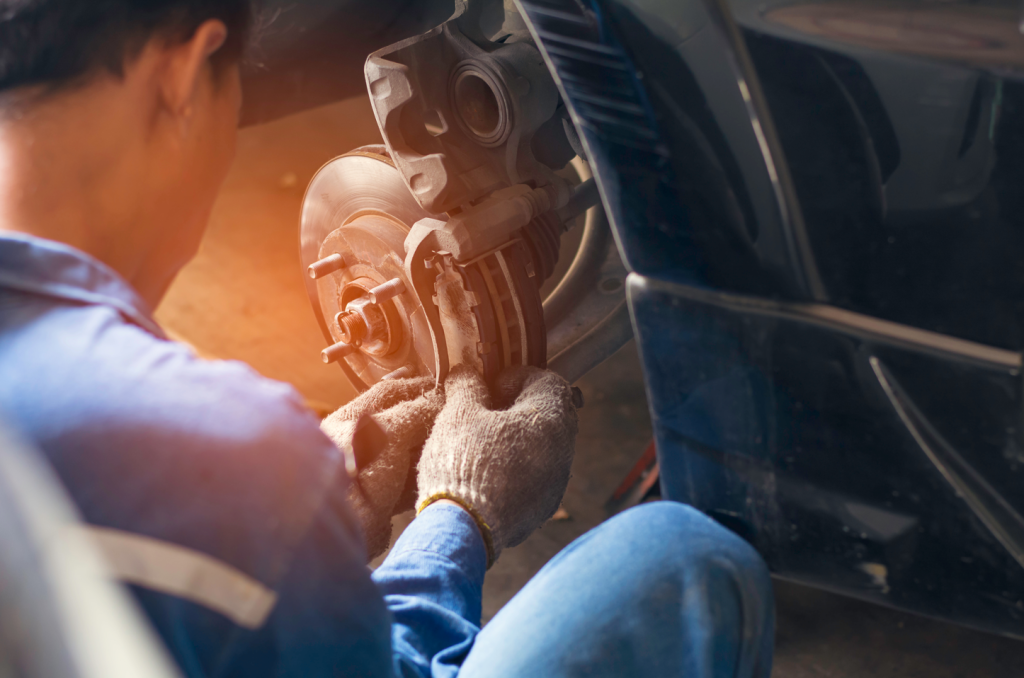
A service technician fixing brakes on a car.

Does Your Lincoln Need a Brake Repair?

As with all components manufactured by the prestigious Lincoln brand, a Lincoln car's brakes are exceptionally long-lasting and durable. But with enough wear and tear, even the toughest of brakes eventually need repairing. If you experience the following issues, Schedule a Service Appointment at Star Lincoln in Southfield, MI right away for brake repair. Fading Brakes When brakes overheat, it's possible for them to suddenly lose stopping power. This phenomenon is called brake fade. It's caused by a minuscule amount of gas escaping from melting brake pad resin, which coats the pad, reducing its friction against the rotor disc. Brake fade can occur after too much continual time in heavy stop-and-go traffic, which can sometimes heat brakes to 500 or 600 degrees Fahrenheit. If you ever find your brakes refusing to respond as rapidly as normal, you may be experiencing brake fade. Pull over at once, and when the brakes have cooled down, if the problem remains, have a technician take a look. more Soft Brakes If you try to slow your car and the brake pedal feels soft or spongy, you may have a leak in one of the brake lines. When brake fluid leaks out from a brake line, hydraulic force is lost and the damaged line can no longer transmit stopping power properly to the connected caliper. Needless to say, this is very dangerous and should be repaired at once. Uneven Brakes When a brake issue develops, it's rarely on both sides of the car at the same time. This means brake power will reduce on just one side of the car, which may cause tugging to the left or right when you press the pedal. Noisy Brakes When brakes make a lot of noise, it doesn't always mean there's a serious problem. There might be some condensation or dust on the brake pad, which causes squeaking and disappears after a short while. But prolonged squeaking might indicate one of your brake pads has worn down too far and needs to be replaced. Grinding or clattering noises might mean that something has come loose in one of your calipers or a brake pad is stuck against the rotor. Any of these issues require the prompt attention of a technician. Vibrating Brakes When a rotor becomes overheated, it can sometimes get scored by the brake pad. An overheating rotor disc can also occasionally begin to warp out of shape, especially if it's already worn down and on its last legs. If a damaged rotor isn't too thin yet, it can sometimes be repaired with resurfacing, but usually, you'll need a new rotor. Have your brakes serviced and repaired today at Star Lincoln. We're a long-established local dealership with a commitment to putting the customer first and foremost in all our dealings.